Jewish Call for Peace Logo
 
JEWISH
CALL for
PEACE Lëtzebuerg
Jewish Call for Peace Logo

Atelier participatif

43e Festival des Migrations, des Cultures et de la Citoyenneté


Animé par des membres de Jewish Call for Peace asbl, avec la participation de Michel Ouaknine, membre de l'Union juive française pour la paix.

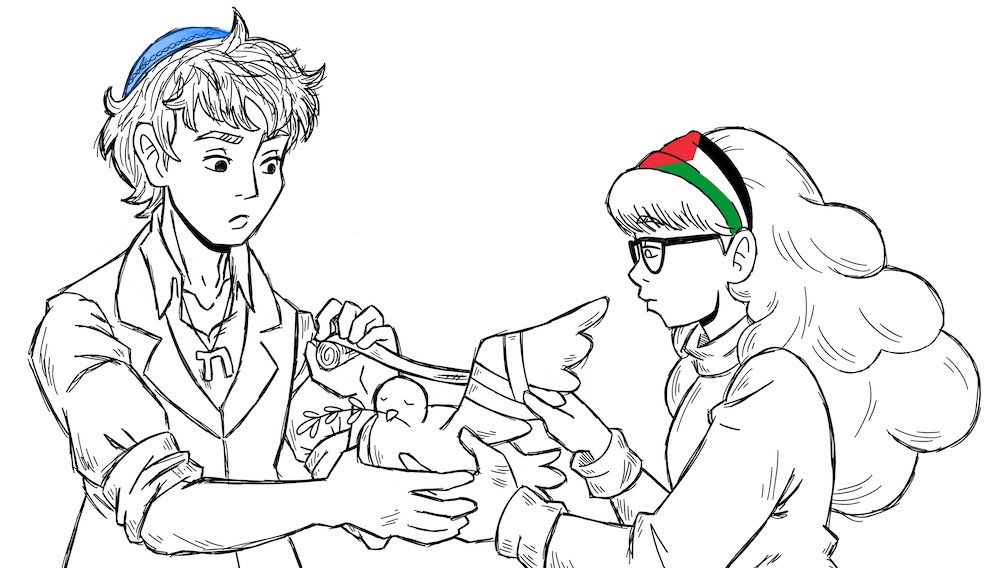
Être juif recouvre bien des mystères pour nombre de personnes. Ce qui crée des risques de préjugés stéréotypés, de reproductions de clichés culturels. L'actualité liée à Israël complique la perception que les citoyens non-juifs ont de leurs concitoyens juifs, car l'image que présente Israël des Juifs du monde entier est celle d’une population qui serait entièrement dévouée à la cause du sionisme et des gouvernements israéliens quoiqu’ils fassent, au soutien d’un régime ​qui se​ place ​ au-dessus des lois, qui ​se considère dispensé de respecter le droit international.​ Il crée ainsi la confusion entre juif, Israélien et militant sioniste. Il importe de briser cette fausse image en créant des occasions de rencontre et de conversation sans tabou ni gêne.

Michel est né à Paris dans une famille juive d’origine marocaine (l'ensemble de la famille restée au Maroc émigrera en Israël). Avec ses deux frères, il a reçu une éducation religieuse juive, puis, plus tard, a rejoint un mouvement de jeunesse (Éclaireurs israélites de France), ce qui lui a permis de rencontrer des jeunes juifs de toutes origines et d’approfondir ses connaissances de la culture et de la religion juives (Torah, Talmud, introduction à la Kabbale).

Son premier voyage en Israël a été une expérience marquante. Il a découvert des réalités très différentes selon les lieux : la vie dans les kibboutz, la situation des Palestiniens, et les tensions liées au conflit. Ses observations l’ont profondément bouleversé, fait réfléchir et l'ont amené, des années plus tard, à s'engager dans une organisation qui défend la paix entre Israéliens et Palestiniens, l’égalité des droits pour tous et une solution juste pour l’ensemble de la région (UJFP).

L'atelier sera clôturé par une dégustation d'amuse-bouches traditionnels juifs d'Europe centrale et orientale.


"Criticism of Israel is not antisemitic"

Is criticism of Israel antisemitic?

Criticism of Israel is not antisemitic. This accusation is a well-worn tactic that sometimes borders on the absurd. It’s used by Israel and its unconditional supporters to delegitimize criticism of Israeli policy.

Governments of Ireland and Spain are accused of encouraging antisemitism, while France and the UK are considered “on thin ice.”

One might laugh if the consequences weren’t so serious.

There are however dangerous confusions made between Jews and Israeli politics. This confusion comes from Israel itself, which claims to be the State of the Jews and justifies its destructive policies in the name of the Jewish people. A basic law passed in 2018 grants Jews alone the right to self-determination within the State of Israel. Yet over 20% of Israeli citizens are Palestinians*.

Antisemitism does exist, but it isn’t fought by immoral actions or by twisting other countries’ policies to one’s advantage.

On the other hand, if you invoke old antisemitic conspiracy myths against Israel, then you are falling into antisemitism, that is, incitement to hatred of Jews. For example, claiming Israel controls the world, as depicted in a vile 19th-century antisemitic caricature** showing a Jew clutching the globe.

Don’t kid yourself — social media is full of similar fabrications with chilling rhetoric. But the war crimes committed by the Israeli army don’t help dispel these antisemitic tropes! Especially when Netanyahu invokes Amalek from the Bible, while a biblical passage commands the total destruction of the Amalekites...

Wouldn't it be better to criticize the policies of the Netanyahu government rather than "Israel"?

When it comes to Israel, suddenly terminology must be ultra-precise. You can say the U.S. is drifting toward fascism without anyone asking if you mean the country or its current policies. Some insist you must “show clean hands” and avoid saying “Israel” because that would question Israel’s right to exist.

In international law, the notion of a “right to exist” is meaningless. Israel exists — that’s a fact — and it is a full member of the UNO (but Palestine is not).

If criticizing “Israel” targets the supremacist political system that characterizes it, what’s the problem? We could criticize Ceaușescu’s dictatorial communist regime in Romania. Its fall in 1989 did not end Romania’s existence but democratized it.

On the German media outlet Jung & Naiv, Jean Asselborn spoke about lobby and said that some EU countries were “as if bought” by the Israeli government. Doesn’t that shock you?

The verb “bought” should be understood broadly; favors count as buying too. It’s well known that Netanyahu supports Hungarian Prime Minister Viktor Orbán. Despite Orbán’s antisemitic rhetoric, Netanyahu gave him a “kosher” stamp. In return, Orbán’s Hungary is among the EU countries blocking any attempt to sanction Israel for its crimes in Gaza and the West Bank.

And what about Netanyahu’s letter asking for Trump to be awarded the Nobel Peace Prize, knowing Trump dreams of it? Such strategies aren’t unique to Israel. International relations can be ugly and shameless.

In Brussels, the Elnet network (European Leadership Network) openly dedicates itself to “strengthening relations between Europe and Israel.” It's a lobby. And it doesn't slack off.

So you are not as shocked as the German politician Michael Roth, who wrote in the “Jüdische Allgemeine”: “Asselborn’s interview with Tilo Jung shocks me. Some statements about Israel seem downright malicious and sneaky. He leaves out almost nothing from the handbook of antisemitic conspiracy theories.”

I don’t know Roth’s intentions. As he says, he has also spoken about the humanitarian catastrophe in Gaza. Was he criticized for that and took the chance to remind everyone whose side he is on?

Asselborn is very much in demand in Germany — for awards, media appearances, etc. He doesn’t hesitate to send messages, for example, that being an ally of Israel doesn’t have to mean being an ally of Netanyahu.

What shocked me wasn’t Asselborn’s interview but Roth’s choice of words. His text is full of heavy-handed accusations. It’s hard to see the connection between Asselborn’s interview and Roth’s text.


Martine Kleinberg, president of Jewish Call for Peace


These answers were provided as part of the preparation for the article published by Wort on July 20, 2025: « Ist Kritik gegen Israel antisemitisch ? ».


* During the first Israeli-Arab war (1947-1949), 750,000 Palestinians fled to what are now the West Bank, Gaza, and neighboring countries. They were never allowed to return home. Some 160,000 Palestinians stayed on their land and became Israeli citizens but face increasing discrimination.

** See the caricature on that website https://www.bridgemanimages.com/...


PRESS RELEASE 24.06.2025

Petition 3231: Luxembourg must sanction Israel for its policies in Palestine.

On 2 July 2025, the Luxembourg Parliament will have a debate (live streaming) with citizens on sanctions against Israel, following Public Petition 3231, which surpassed the required 4,500 signatures. Luxembourg is the only EU country where such a civic initiative has triggered a formal parliamentary discussion.


Call from Prominent Voices to the Luxembourg Government

"Gaza is dying: we urge you to act!"

We call on the Luxembourg Government to listen to the rising voices across Luxembourg, increasingly numerous and from various backgrounds. Voices that reject the abandonment of our values and the violation of our humanity in Gaza, enabled by the inaction of our political leaders.

We ask it to apply diplomatic, commercial, and economic pressure at the national, European, and international levels to help bring an end to Israel’s destruction of the Palestinian people in Gaza and the West Bank.

In Gaza, it is a “war without limits” that “defies decency, humanity, and the law.” Palestinian civilians are “dehumanized to the point of being somehow unworthy of survival”

Children are paying the heaviest price: over 15,000 killed, thousands more suffering amputations, tens of thousands orphaned. They are deprived of everything: water, food, healthcare, schools, shelters.

Gaza has become a graveyard for medical workers, journalists, and humanitarians. The is “nowhere safe for Palestinians or those trying to help them; the humanitarian response is severely struggling under the weight of insecurity and critical supply shortages.”

After the horrors of World War II and the Shoah, international law was established as a safeguard for humanity. This shield must not be selectively applied. It cannot apply to some and be denied to others.

Still, the growing calls for a ceasefire go unanswered. It is time to turn words into action.

We are not taking sides—we stand for human dignity and justice.

Killing and starving children, destroying their means of survival, erasing their future, and inflicting immeasurable suffering on civilians—this is wrong by every ethical standard.

Only an end to the occupation, colonization, and oppression of the Palestinians will allow both peoples to know peace and security—at last.

The time to act is now—not tomorrow, when all that’s left is remembrance and regret.

Because one day our children will ask what we did while other children and their parents were bombed and destroyed before our own eyes.

This time, no one will be able to say “We didn’t know.”

Luxembourg Government, now is the time to act!

Signatures of public figures

Anne-Marie Reuterécrivain

Antonia Ganetomilitante pour les droits humains

Benoît Majerushistorien

Carole Reckingerpolitologue

Catherine Elsenartiste transdisciplinaire

Gilbert Pregnopsychologue, défenseur des droits humains

Guy Rewenigécrivain

Guy Helmingerécrivain

Jana Bahrichmusicienne

Jean Asselbornancien ministre des Affaires étrangères

Jean-Marie Biwerartiste peintre

Jean Portante écrivain

Katy Foxprofesseur

Lambert Schlechterécrivain

Laura Zuccoliancienne présidente ASTI, vice-présidente MDM

Luc Heuschlingprofesseur de droit constitutionnel

Lydie Errancienne Ombudsman du Luxembourg

Martine Kleinbergprésidente Jewish Call for Peace

Nora Schleichphilosophe

Serge Tonnarartiste et activiste

Sophie Mouselcomédienne

Vicky Kriepsactrice

Adolf El Assalréalisateur

Adriano Lopes da Silvachanteur, auteur-compositeur

Adrien Thomaschercheur en science politique

Aïda Patricia Schweitzerartiste

Alain Hermanenseignant, militant syndical et politique

Albert Ettingerprofesseur e.r. et auteur

Alexandra Uppmanartiste

Ali Ruckertjournaliste

Aloyse Leytemhistorien

Ana Pintoprésidente la voix des Survivant-e-s asbl

André Roeltgensyndicaliste

André Schreibergraphic designer

André Wenglerprofesseur e.r.

Andrea Spigarellisyndicaliste

Anja Di Bartolomeoartiste / autrice

Anne Schroederréalisatrice, enseignante

Anne Simontheatre Director and Filmmaker

Anne-Catherine Mulhernarchitecte

Annick Schadeckchorégraphe

Anouk Wageneractrice

Antoine Paccoudchercheur

Antoine Pohuécrivain et dramaturge 

Antoinette Reuterhistorienne

Antoni Montserrat Molinermembre de la Plateforme Intégration Immigration Luxembourg

Aude-Laurence Bivercomédienne et metteuse en scène

Batty Gallionsociologue

Ben Stemperhistorien

Benjamin Colesteacher and writer

Bernard Thillmédecin et président de Médecins du Monde (LU)

Betsy Aschmanconseillère communale déi gréng

Betty Welter-Gauléchevine Commune de Strassen

Biwer Robertretraité, ancien bourgmestre de Bettembourg

Botagoz Serikbaevaartiste

Brigitte Urhausenactrice

Camille Kergermusicien, compositeur, chanteur

Carla Lucarelliécrivain

Carlo Jansmusicien

Carole Melchiorartiste photographe

Cary Greischmusicien

Catherine Kontzcompositrice/musique

Catherine Richardréalisatrice, conseillère en éduc. interculturelle

Catherine Scheeranthropologue, enseignante-chercheuse

Catherine Warinavocate, maîtresse de conférences en droit

Cécile Jeitzprofesseure honoraire du Conservatoire de la Ville de Luxembourg

Cédric Kaysermusician

Céline Camaracomédienne

Charel Marguedéputé déi gréng 2018-2023, membre du CSVEI

Christian Bauerarchitecte

Christian Thiryauthor

Christiane Kremerjournaliste e.r., éditrice, auteure

Christianne Wicklerentrepreneur

Christine Dahm-Mathonetdiplômée communications sociales

Christoph Rosenbergarchitecte - urbaniste 

Claire Thillcomédienne, autrice

Claude Frisoniartiste, auteur

Claude Genglercaricaturiste e.r.

Claude Mangenacteur, metteur en scène

Claude Neuprofessionnel de la communication e.r.

Claude Waringoproducteur

Clio Van Aerdeartist

Colum Mulhernarchitecte

Coralie Greischmusicienne

Corina Ciocârlieécrivain

Cosimo Sugliaschrëftsteller

Dan Wirothjournaliste

Dana Rufolodirecteur, Theater Research Institute of Europe asbl

Danièle Nielessyndicaliste retraitée

Danielle Hoffeltpoète

David Pereiradirecteur

Diane Elsenengagée pour la santé des femmes

Diego Lo Piccolodirecteur

Dijana Engelmannartiste sculptrice

Djamila Aouadaprofesseur

Dominique Santanahistorienne et réalisatrice

Donato Rotunnoproducteur/Réalisateur

Édouard Kayserprofesseur e. r., historien

Eileen Byrnefilm Director

Élodie Malandaenseignante-chercheuse

Elsa Rauchscomédienne et metteur en scène 

Ema Macaramusicienne

Emanuele Santiprésident et cofondateur Afrilanthropy et chef d’enterpise

Emily Groganmusician

Emmanuelle Wilhelmneuroscientifique, médecin

Enrico Lunghihistorien de l'art

Eolia Versticheldocteure en sciences-humaines

Eric Schumacherartiste plasticien et scénographe

Erna Hennicot-Schoepgesancien ministre et anc. députée européenne

Eugénie Anselincomédienne

Fabrizio Malteseproducteur / réalisateur

Fanny Weinquinhistorienne de l'art

Florence Weimerkirchinstitutrice e.r., SEW-OGbL: SOS-Racisme MLF

Franco Perroniancien co-SG de l'Assemblée parlementaire euro-méditerranéenne

Françoise Binsfelddirectrice d'ONG

Frank Hoffmannmetteur en scène, directeur artistique

Frank Thillenconseiller communal

Frank Wiesavocat

Fränz Hausemerréalisateur-musicien

Frédéric Braunjournaliste

Frederico Majerusréalisateur/scénariste

Friederike Hutharchitecte paysagiste

Frin Woltermusician

Georges Kiefferécrivain

Germaine Goetzingerdirectrice CNL e.r.

Gilles Wunschjournaliste e.r., photographe, guide touristique

Giulia Helmingerartist

Govinda Van Maeleréalisateur

Guy Daleidenfonctionnaire d’Etat

Hany Heshmatmusicien

Henri Wehenkelhistorien

Hubert Hausemerphilosophe

Isabelle Lutzartiste

Ivano Iogna Pratjournaliste

Jacques Drescherjournaliste e.r.

Jacques Hillionjournaliste e. r.

Jacques Molitorréalisateur et scénariste

Janine Frischprofesseur e.r., ancienne conseillère communale de la Ville de Luxembourg

Jean Delvauxartiste-peintre

Jean Goedertarchitecte

Jean Hamiliusretraité, ancien Ministre

Jean-Marc Cloospsychiatre

Jean-Paul Nicolaymédecin généraliste

Jean-Pierre Thilgesjournaliste, critique de cinéma

Jeannot Kettelhistorien

Jeff Weitzeldirecteur de l'Office national de l'enfance honoraire

Jérôme Quiqueretécrivain

Jessica Lopessociologue

Jill MullaneU official

Jimmy Skenderovicéchevin

Jitz Jeitzmusicien de jazz

Jojo Weckerprésidente commission du vivre ensemble, Stadtbredimus

Jos Scheuerdéputé honoraire, maire d'Echternach, anc vice-président du LSAP

Josee Hansenautrice, travailleuse culturelle

Joseph Kayserécrivain

Josh Islandmusician

Josip Glaurdićprofesseur en sciences politiques

Julie Conraddesigner

Julien Beckerréalisateur et producteur

Jürgen Stoldtpolitologue

Justine Blauartiste plasticienne

Karma Catenaartist - musician

Kerstin Medingerécrivain

Kim Schneiderfilmmaker

Larry Bonifasmusicien, auteur, componiste, chanteur

Laura Schroederfilmmaker

Laurie Lamborellestyliste de mode

Leo Folschetteproducture TV, actor

Leon Krierarchitecte et urbaniste 

Letizia Romaninivisual artist

Lex Gillenmusicien

Lisa Burkebroadcaster

Lisa Kohlartiste

Luc Wiesvisual artist

Luce van den Bosscheécrivaine

Luciane Paulymédecin généraliste

Lucien Blauhistorien

Lucien Steilarchitecte

Luka Tonnarmusicien, producteur, compositeur

Magaly Teixeiraactress

Marc Angelartiste

Marc Gergescommunication politique

Marc Thilljournaliste

Marco Lorenziniacteur

Margot Reding Schroederartiste

Mari Fe Pavónmusicienne

Marianne Donvenprésidente d’Open Home - Oppent Haus Asbl

Marie Anne Rodesch-Hengeschombudsman pour les droits de l’Enfant e.r.

Marie-Laure Rollandla Voix des Survivant(e)s Asbl

Marja-Leena Junkercomédienne

Marlene Soaresphotographe

Martine Goergenchirurgien

Martine Kriepsavocat à la cour

Martine Mayeuxjournaliste

Martine Solovieffprocureur général d’Etat honoraire

Mary Faltzdéfenseure des droits humains, écrivaine

Maryse Krierécrivaine

Maryse Lannersjournaliste

Maurice Wagnerscientist

Max Lenersavocat à la Cour

Max Thommesacteur

Maxime Weberschrëftsteller

Mélina Steiner / Emeraudechanteuse

Michel Erpeldingchercheur en droit international

Michel Paulyhistorien

Michel Pletschettemédecin, enseignant

Michèle Cleesactrice, professeur d’art dramatique e.r

Michèle Frankartiste-peintre, écrivaine

Michèle Hemmeragent culturel

Michèle Thomaécrivain

Mike Butchersound Engineer / Producer

Milla Trauschactrice et pédagogue de théâtre

Mireille Weiten-de Wahaécrivaine

Misch Feinentravailleur culturel

Mohamed Hamdihistorien

Monique Paillardancienne présidente des Amis du Tibet-Luxembourg

Monique Schroedersculpteur-ceramiste

Nadia Masrifilm director

Nadia Piazzienseignante / historienne

Nadia Prangemusicienne

Nadine Zangariniartist

Naomi Berrendeditor and author

Nataša Grujovićmusician/composer

Natasha Lepageclimate justice and Human rights activist

Nathalie Noé Adamartiste

Nathalie Oberweispolitologue

Nathalie Reulandpsychothérapeute

Nathalie Ronvauxauteure

Neckel Scholtusartiste photographe

Nezar Al Rawifilm Producer

Nico Pundelbourgmestre de Strassen

Nicolas Hirschcommunal counsellor déi Gréng / counsellor respect.lu

Nicolas Steilproducteur de films

Norbert Stompdirecteur MNHN e.r.

Oscar Martinacteur

Paca Rimbau Hernandeztraductrice

Panajota Panotopoulouarchitecte

Pascal Graniczkabarätist

Pascale Junkersystemic Foresight Expert and author

Pascale Noé Adamactrice

Patricia Lippertartist

Patrick Kleeblattjournaliste

Patrizia Arendtmilitante associative

Paul Delaunoisemployé dans une ONG

Paul Thiltgesproducteur de films

Paul Zahlenhistorien

Paulo Lobophotographe

Philippe Nathanarchitecte

Pia Burggraffjournaliste

Pierre Hurtlawyer/professor

Pierre Marmannmédecin ORL et écrivain

Pina Delvauxartiste

Pit Péportéhistorien

Pit Riewerpeintre

Pit Wagnerartiste visuel

Pol Wirtzretraité journaliste et consultant

Rari Mateiréalisateur et scénariste

Raymond Beckerfriddensplattform

René Kollwelterprofesseur, anc. Député

René Penningdirecteur Kulturfabrik

Ricardo Sandovalmusicien

Richard Grafjournaliste e.r., acteur de la solidarité intern.

Rico Winandymusicien / artiste-peintre / sculpteur

Rita Velazquezconseillère communale

Robert Altmannprésident honoraire d'Amnesty International Luxembourg

Robert Brandyartiste peintre

Robert Hallartist

Rogers Delgado Sáezancien prisonnier politique au Chili

Rosalie Marie Clemensculture / history

Roxanne Peguetréalisatrice

Sabrina Castelloprésidente de l'association antiraciste Ally Book Club asbl

Sandro Dos Santosjournaliste

Sascha Leyperformer

Serge Allegrezzaéconomiste statisticien

Serge Kollwelterinstituteur e.r.

Serge Urbanyretraité, député honoraire

Serge Wolfspergerauteur-réalisateur

Shade Sadiku Cuminiartiste visuel

Sidney Wiltgenjournalist

Skerdi Zanajprofessor at University of Luxembourg

Sophie Langevinmetteuse en scène, comédienne 

Stéphane Rousselauteur et metteur en scène

Stephany Ortegachanteuse

Stephen De Ronavocat à la Cour

Steve Karieractor

Stilbé Schroedercuratrice et responsable d’exposition

Sylvie Braquetpsychothérapeute

Tammy Reichlingenseignante/ theaterartist

Tania Soubryartiste transdisciplinaire

Tarik Bouriachisociologue

Théo Péporté

Thierry Besselingfilmregisseur

Thierry Simonellipsychanalyste

Thierry Winnjournaliste, Reporter d’Images

Thomas Cauvinhistorian

Thomas Faber - Maz Univerzemusician/Artist

Tilly Metzdéputée européenne

Tine Krumhornartiste

Tom Aleschréalisateur

Tullio Forgiariniécrivain, scénariste

Tun Bievermusicien, producteur

Tun Tonnarmusic producer/artist

Vanessa Brownartist

Vania Lecuitvioloniste

Véronique Faberdoctorante en histoire 

Véronique Fauconnetmetteure en scène, comédienne

Veronique Poujoljournaliste

Victor Tricarartiste

Viktoria Vanyiartiste indépendante

Vincent Gérinmusician

Viviane Loschetterpédagogue sociale

Viviane Thillcritique de cinéma

Yann Tonnarproducteur

Yolande Petry-Fettpédagogue théâtrale

Yves Conrardytravailleur culturel

Zohra Mradartiste, designer

The call for signatures is now closed. We’ve gathered over 315 signatures from public figures and 467 from engaged citizens. Thank you for your support and for spreading the word. Stay connected with us on social media to follow the next steps of the campaign and discover how you can continue to make a difference.


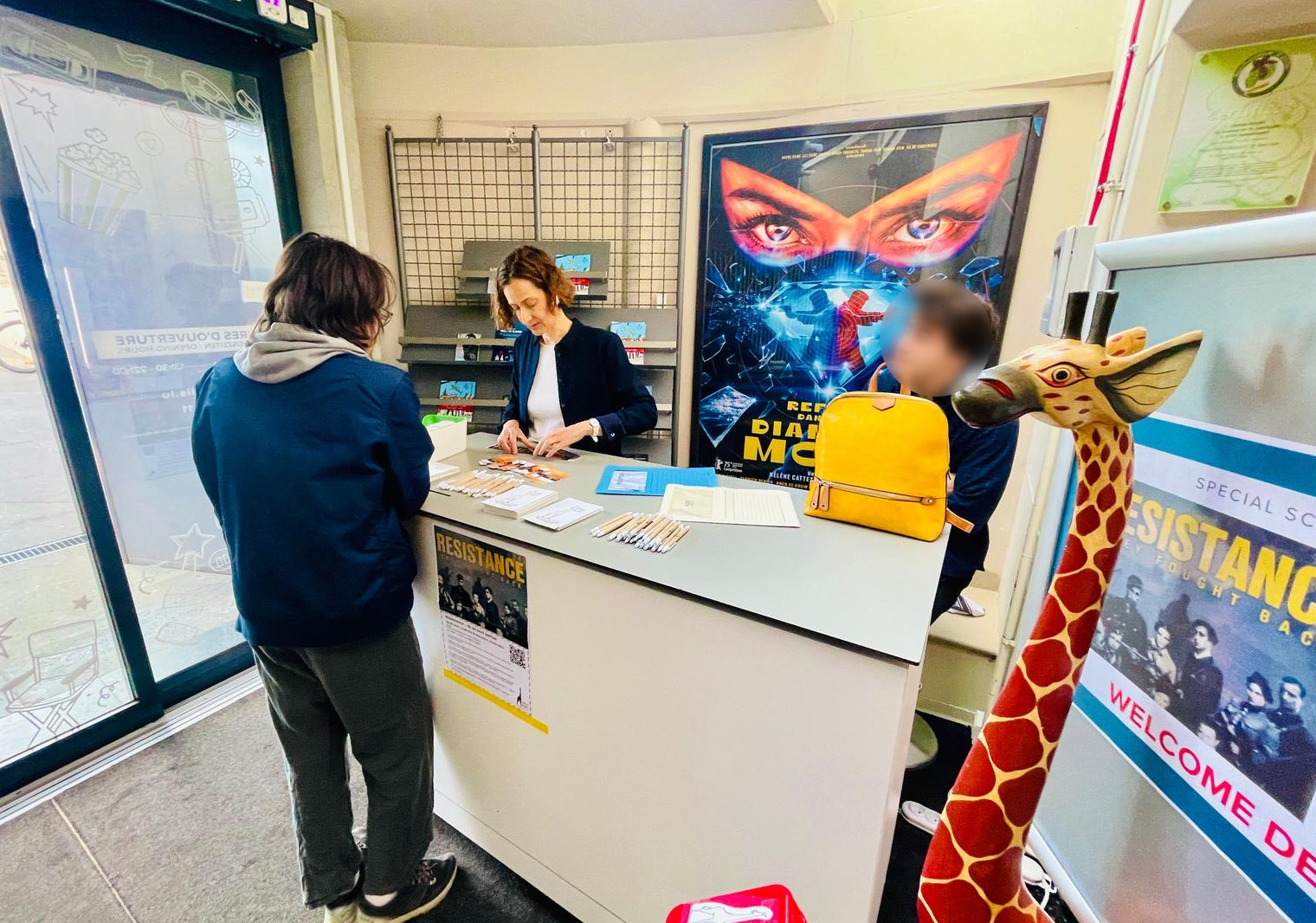
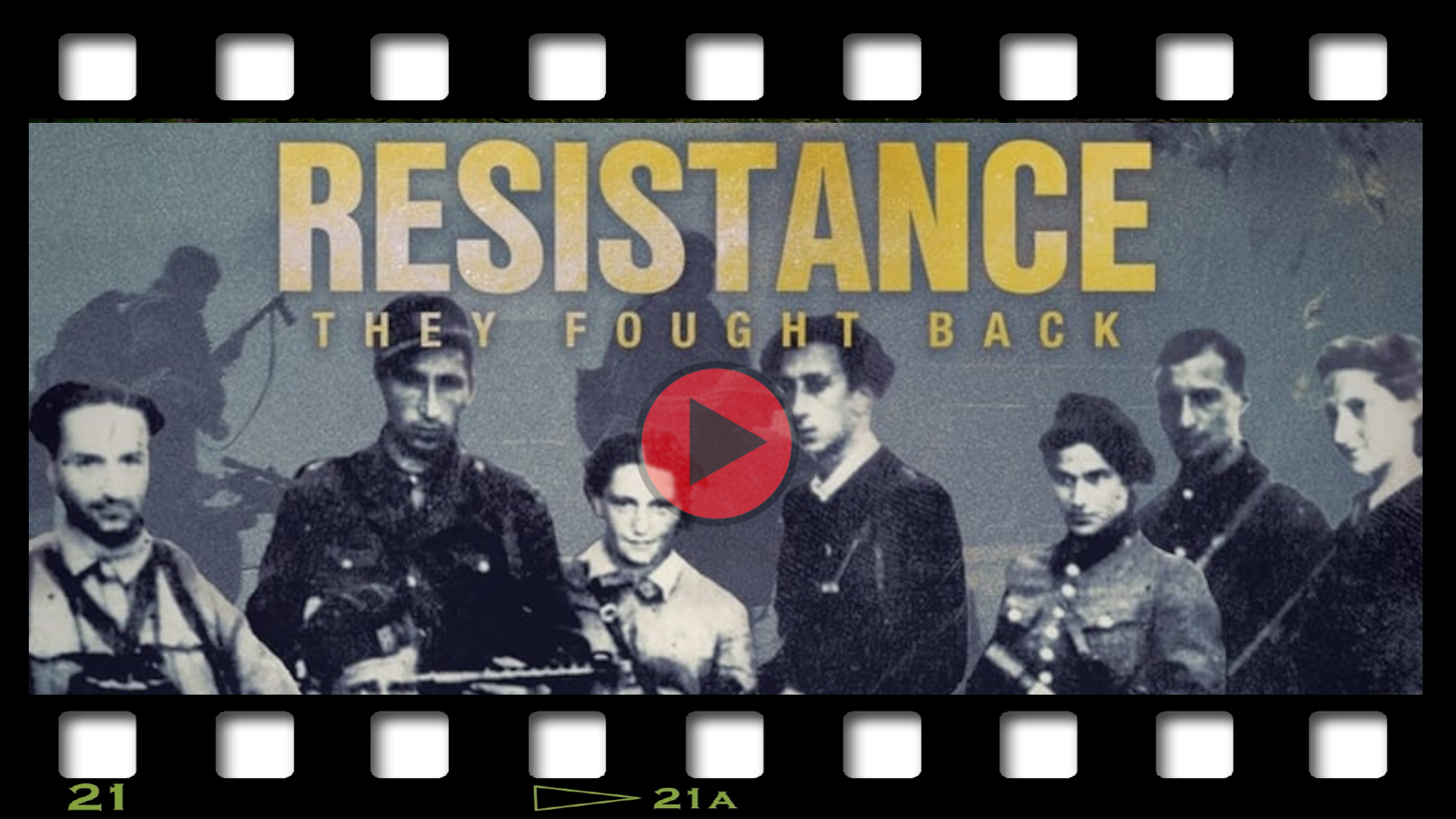
Resistance: They Fought Back

06.05.2025 19:00 Film & discussion, Free admission

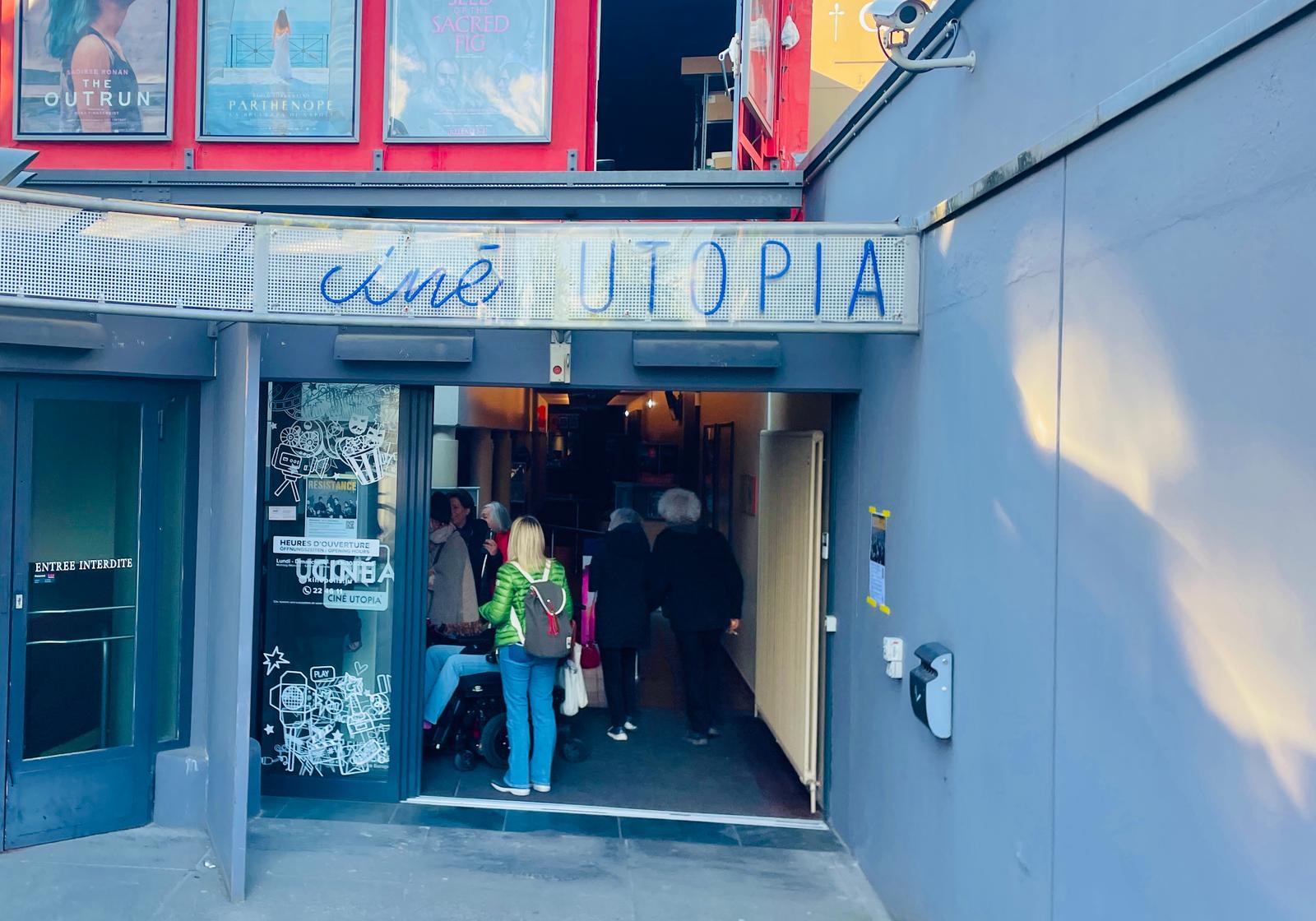
Utopia
16 Avenue de la Faïencerie L-1510 Luxembourg

Film (1h40) subtitled in French and English.

One of the prevailing narratives about the Holocaust is that Jews went to their deaths like sheep to the slaughter. Running contrary to this portrayal is the Warsaw Ghetto Uprising—the largest and most well-known act of Jewish resistance during World War II. The film Resistance: They Fought Back forcefully counters this narrative, going beyond a single example to highlight numerous acts of Jewish resistance, both violent and non-violent.

The film is being screened by Jewish Call for Peace. By showcasing the strength, resourcefulness, and resilience of the Eastern European Jewish community, this screening is part of our effort to reclaim our Eastern European Jewish history and identity. It also stands in opposition to the dominant Israeli mythology that depicts pre-WWII European Jews as weak and in need of transformation into the armed, heroic Israeli figure.

The acts of bravery portrayed in the film serve as a powerful reminder of Jewish traditions of solidarity, comradeship, and resistance against oppression.

"To be a Jew means always being with the oppressed, never with the oppressors." — Marek Edelman, a leader of the Warsaw Ghetto Uprising.

Traditional European Jewish finger food will be served after the screening.

Recap of the event

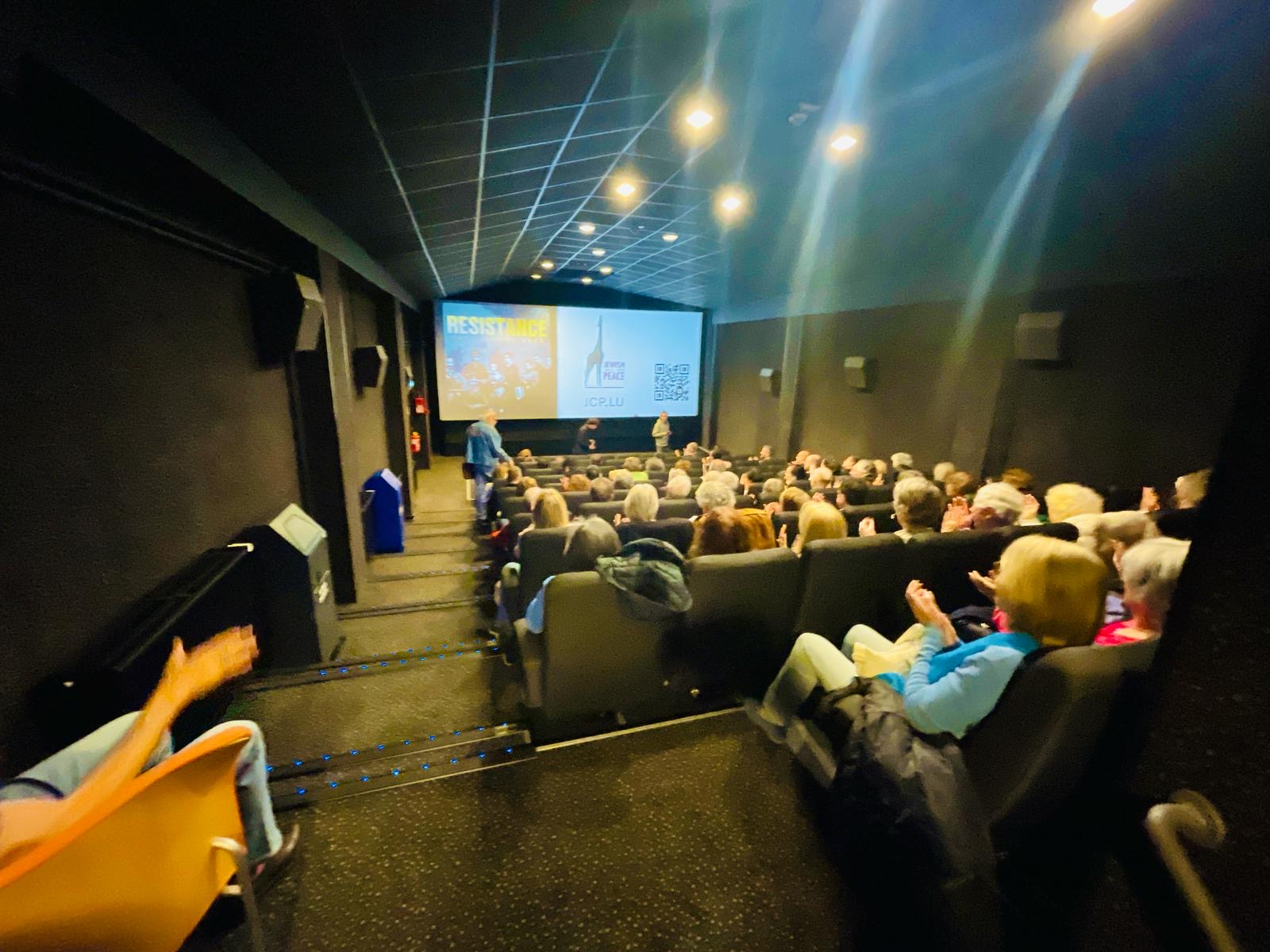
We would like to thank the large number of people (nearly 80) who attended our screening on 6 May. The debate was rich and intense, testifying to both the emotions and reflections aroused by the film, with regard to a little-known history and a present in which this history resonates in many ways. The reception provided an opportunity to discover traditional finger-food from Eastern Europe and to extend the discussions.

Here is a written transcript of what the host of the evening had to say, minus the practical information.

Introduction to the film

As Jewish Call for Peace, and part of wider networks of European and worldwide Jewish organizations, we are trying to reclaim and celebrate a certain European Jewish identity and culture. We thought to focus on the topic of resistance, both cultural and violent resistance, because we want to learn and think about the subject. As well, following our recent conference concerning Israeli historiography and narratives around the holocaust, we want to give clarification on and discuss the official Israeli version of the story around resistance.

Despite some flaws, we believe that this film, and the stories within, are worth sharing because they demonstrate a vibrant Jewish culture together with the Jewish traditions of solidarity, comradeship, and resistance against oppression.

As a progressive association, with universalist and humanist values, we are choosing to stand with the oppressed and to identify with these traditions, and we hope that others will join us.

Post-film intervention

Before we begin the discussion, we thought it would be useful to add some context and make some clarifications.

The film falls into the trap of presenting the Jewish resistance as “unified.” Just in the Warsaw Ghetto, for instance, there were major conflicts between different factions. Major conflicts like this also exist today. There was never one unified vision in the Jewish communities, be it on religious aspects of Judaism, political thought, emancipation, or on Israel. What is important is that the different groups, today, talk together.

In the Warsaw Ghetto Uprising, the biggest separation was between the ZOB, often translated to English as the Jewish Combat Organization and composed of left-leaning Jewish political groups, and the ZZW, translated to the Jewish Military Union, which was right-wing in nature. Even among the left-leaning groups, there was a division of ideology: the film mentioned Hashomer Hatzair, which is a Labor-Zionist group. Not mentioned was the large presence of the General Jewish Labour Bund, which was largely secular and anti-Zionist, and more aligned with the Soviet Union.

As was discussed in our recent conference, “Exploiting memory,” the Israeli government often portrays the pre-WWII Jews as weak and in need of transformation into the Sabra, the armed and powerful Israeli figure. The purpose is to enforce a narrative of victimhood and to coral their people around Israeli nationalism, and against their Palestinian neighbours. Acts of Jewish resistance, both cultural and armed resistance, fly in the face of this description. However, we want to take note that the Israelis have also claimed the Warsaw Ghetto Uprising as inspired by the Zionist project, by the “thought of their companions across the Mediterranean, the happy people making the desert bloom in Eretz Israel.”

So, in summary, the official Israeli narrative is that the Jews were either 1) weak, or 2) brave, but acting as a Zionist entity. On the other hand, figures such as Marek Edelman, in public statements, have directly contradicted this narrative. There appears to be a fight over the historiography, and I hope that by showcasing a film like this and talking about all the different factions involved: zionist, anti-zionist communist, right-wing, orthodox, etc., we can all gain a deeper understanding.

The Holocaust is one of the most well-documented events in history. Over the past 40 years, there’s been a push to commemorate the Holocaust in a new way: to situate it among other tragedies and conflicts. By challenging crude distortions of narrative, and showcasing resistance, we hope that we can encourage people to take this universalist approach, and to show compassion and bravery and, especially in current times, to stand with the oppressed.

Additional information (not used at the screening)

The film is focused on Eastern European Jewish resistance specifically. We’d like to point out that there were many Jews involved in larger resistance groups. For example, in France, many Jewish fighters were attached to the France-Tireurs et Partisans Français (FTPF). In fact, at one point the FTPF in Paris was led by Joseph Epstein, a Polish-born Jewish communist and veteran of the Spanish civil war. On that note, it would have been nice for the film to highlight the participation of Jewish people who volunteered to fight against Franco’s Nationalist regime in the Spanish civil war.

EXPLOITING MEMORY

The Holocaust and the distortion of antisemitism


Video playlist

Event Playlist

01.02.2025, 16:30, Free entry

Culture Bar Luxembourg-Clausen
61 Rue de Clausen
L-1342, Luxembourg City

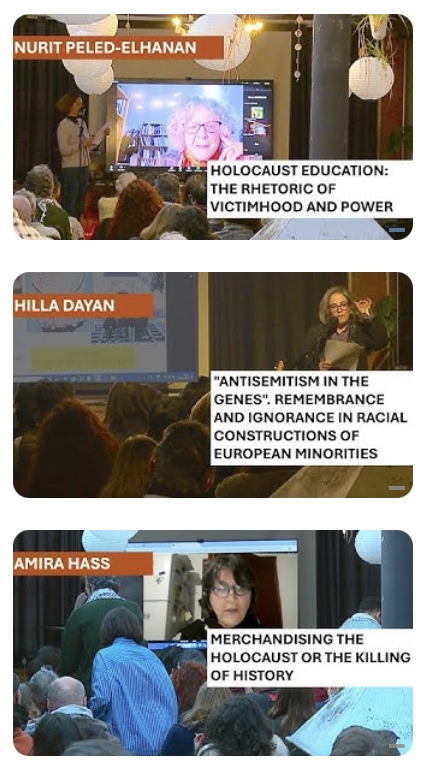
Speakers: Hilla Dayan, Nurit Peled-Elhanan, Amira Hass

Moderator: Martine Kleinberg (Jewish Call for Peace)

Program:
16:30 - 16:45
Introduction

16:45 - 17:30
Amira Hass
- Merchandising the holocaust or the killing of history

17:30 - 18:15
Nurit Peled-Elhanan
- Holocaust education: the rhetoric of victimhood and power

18:30 - 19:15
Hilla Dayan
- "Antisemitism in the genes". Remembrance and ignorance in racial constructions of European minorities

19:15-19:30
Conclusions


From 19:30
Attendees are welcome to enjoy dinner at the Culture Bar and continue the discussion. To join, please reserve your table directly with the restaurant in advance.

Detailed Program

Programme détaillé

The Narrow Bridge

Bereaved Palestinian and Israeli families: beyond revenge

24.02.2024 16:00 Film & discussion, Free admission

LuxExpo (Festival des Migrations)
10, Circuit de la Foire Internationale
Luxembourg-Kirchberg

Film (1h16) subtitled in English, French and Arabic. Debate in direct oral translation from English into French

In a conflict that seems more intractable than ever, some men and women have decided to take the narrow bridge of reconciliation.This is the story of Bushra, Bassam, Rami, Meytal, Palestinians and Israelis, parents and children, who have paid the price of blood. They have decided to break the circle of vengeance and appeal together to humanity.

The screening will be followed by a discussion with Salwa and Bassam Aramin, the parents of Abir, aged 10, murdered in 2007 by an Israeli policeman, and Rami Elhanan, father of Smadar, aged 14, victim of a suicide bombing in 1997. They will be signing the book that Irish writer Colum McCann dedicated to them, Apeirogon (2021).

Are you interested in organising a meeting with Salwa, Bassam and Rami in a school or another setting? Contact contact@jcp.lu

Festival 2024

Who We Are

Jewish Call for Peace asbl (JCP) is a progressive and secular association, based in Luxembourg, which bases its action on humanist and universal values.

Created from the desire to bring a different Jewish voice on the Israeli-Palestinian question, it brings together Jewish and non-Jewish members with diverse backgrounds, identities and political opinions.

#
#

Our Vision

Jewish voices are plural. JCP wants to give a voice to those who advocate justice, equality and security for Israelis and Palestinians and an end to the Israeli occupation and colonization of the Palestinian territories.

We want to react to the confusion that has grown in recent years between the terms Jewish and Zionist, Jewish and unconditional defender of Israel, Jewish and Israeli.

It is necessary to clarify these misleading amalgams in order to safeguard the right to solidarity with the Palestinian people and to fight against antisemitic prejudices.

Our Mission

JCP has following objectives:

  • to contribute to the defense and promotion of democratic values of equality, solidarity, social justice and to fight against all forms of racism, especially anti-Semitic prejudice,
  • to make known the diversity of Jewish voices both politically and culturally,
  • to contribute at its own modest level to a just resolution of the Israeli-Palestinian conflict.
#

Our Values

From the Jewish heritage, we uphold above all the universal values of dignity, responsibility, and commitment against injustice. Together with the Universal Declaration of Human Rights and international law, those values are the basis of our action.

#
#

Our Means of Action

Through open debates, cultural or political events, and media interventions, we want to reach out to all audiences.

We cooperate with other associations sharing the same values, among them associations encouraging the Jewish-Arab and Jewish-Muslim dialogue, beyond stereotype and essentialization.

Membership form

To become adhering member, please fill in the form.

The annual fee is 15 EUR. We will send you the bank references by e-mail.

This form allows you to become adhering member. Adhering members are invited to participate in the general meetings of the association without voting rights. Full members are those who have been adhering members for one year and obtain an absolute majority of the votes of the full members present at the next general meeting.

If you wish to support our cause, you can also become a sympathizer. You will be informed of our activities. If you wish to show your support by making a donation, please write to contact@jcp.lu and we will send you the bank details by e-mail.


Signature, please use your mouse or finger to sign.

en MENU